Many people do not realize that fashion is the second largest pollutant industry in the world, second only to the oil industry. A large number of chemicals used in the manufacturing process from over-cultivation and the use of large amounts of cancer pesticides in cotton growth. This has an impact on local water facilities and destroys the life of the soil, which is very damaging to the environment.
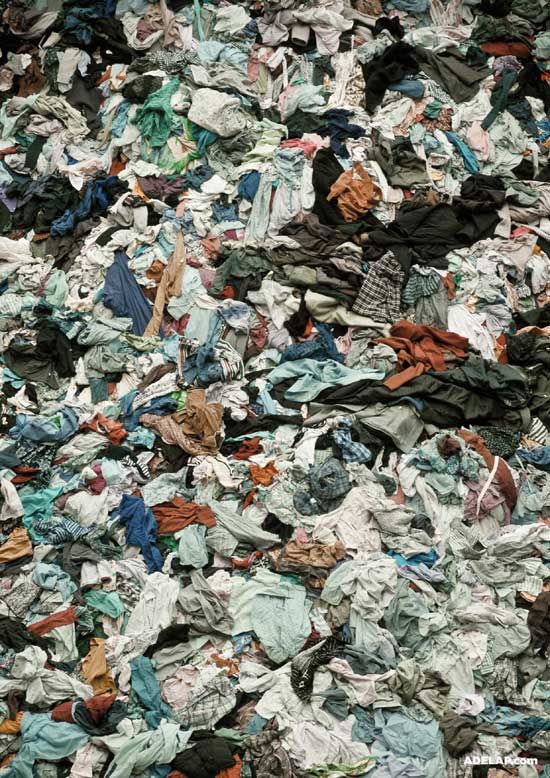
However, there are even more human factors. From exploiting farmers, factory jobs and child refugees to just $2 a day, some big brands even use Syrian refugees and child labor to produce and serve them. The company seems to remain focused on the bottom line, and everyone who cares about human rights and life seems to have been ignored.
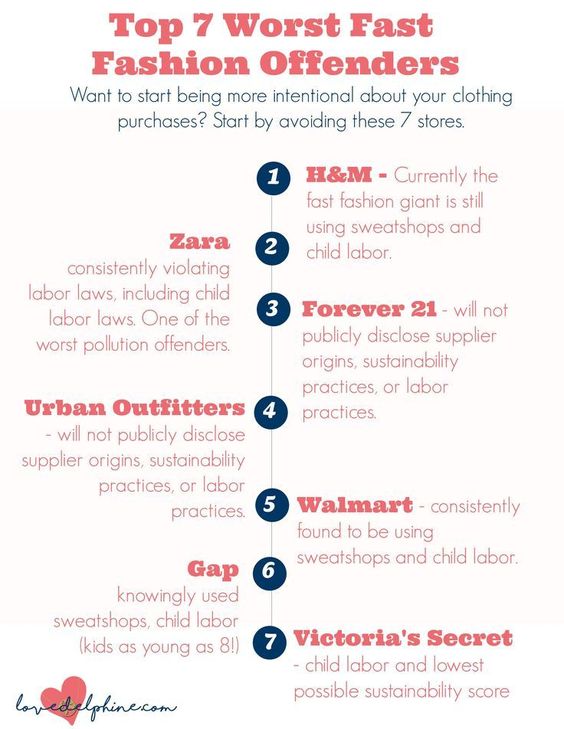
Cheap fast fashion is the root cause of this and creates a greedy toxic culture. Fast fashion that the low-cost clothing collections based on current, high-cost luxury fashion trends, is by its very nature, a fast-response system that encourages disposability. A formerly standard turnaround time from catwalk to consumer of six months is now compressed to a matter of mere weeks by such companies as H&M and Zara, with heightened profits to match. While creating benefits for themselves, these brands have created a lot of non-degradable fashion garbage. Due to the fast update and large production volume, most of the garments can’t be recycled, and finally they can only be incinerated, which seriously pollutes the ecological environment. This also goes against the fact that sustainable fashion does not take into account all of its stages in the product life cycle.
 shirleyliu